Does My Bank Know I’m Using a VPN? (And How to Stop Getting Blocked)
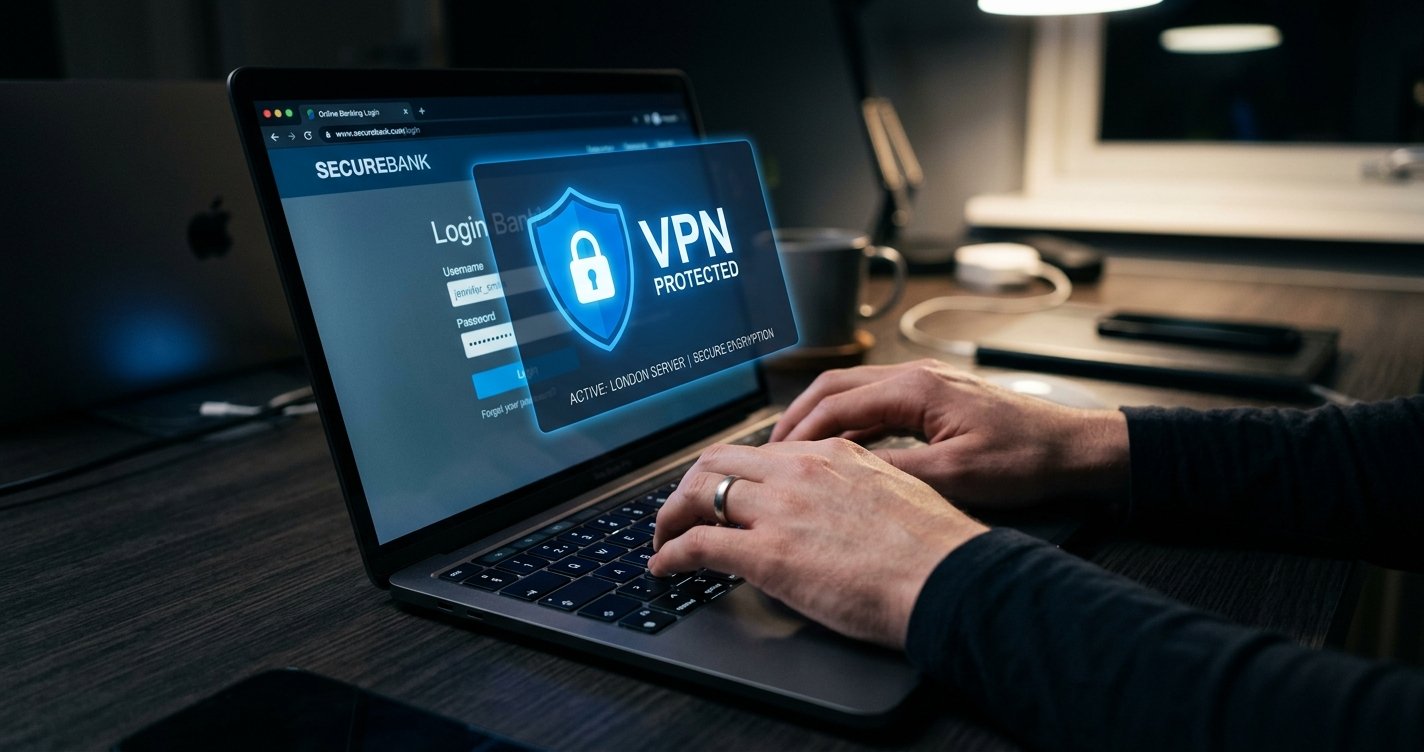
Yes — your bank can tell you’re using a VPN, and it sometimes acts on that information. If you’re asking does my bank know I’m using a VPN, you’re asking the right question before it becomes a problem. If you’re an expat who relies on a VPN to access your home-country bank from abroad, understanding the answer to does my bank know I’m using a VPN determines whether your banking works smoothly or whether you end up locked out at the worst possible moment.
This guide explains exactly how banks detect VPN usage, when they act on it, and the specific solution — a dedicated IP address — that eliminates the problem entirely.
We tested all four recommended providers in August 2026 and confirmed each works with UK banking portals without triggering fraud flags.
How Banks Detect VPN Usage
When you ask does my bank know I’m using a VPN, the answer involves several detection methods:
IP reputation databases: This is the most common method. VPN providers use shared IP addresses used by thousands of customers simultaneously. Companies like MaxMind, IPHub, and Fraud.net maintain databases that tag these IP addresses as VPN addresses. Banks subscribe to these services. When you connect from a NordVPN or ExpressVPN IP address, the bank’s system flags it within milliseconds. So when you ask does my bank know I’m using a VPN — if you’re on a shared IP, probably yes.
IP-to-location inconsistency: If your bank account was opened in London and you’ve logged in from London IPs for years, a sudden login from Amsterdam raises a flag even if that Amsterdam IP isn’t tagged as a VPN IP.
ASN (Autonomous System Number) checking: Every VPN provider’s servers belong to a specific ASN. Banks can block entire ASNs belonging to known VPN providers. This is why does my bank know I’m using a VPN is sometimes yes even if your IP isn’t in a blacklist.
DNS leak detection: Some bank fraud systems check whether your DNS requests are going through your claimed location or through a third party.
The honest answer to does my bank know I’m using a VPN is: often yes, and increasingly reliably so. This affects expats in all situations — whether retired in Spain, working in the Gulf, or living in Australia.
Stop bank VPN detection permanently
Get a Dedicated IP — Invisible to Bank Fraud Systems
NordVPN’s dedicated IP gives you a unique, consistent IP address that isn’t in any VPN database and never triggers bank fraud flags.
Try NordVPN Risk-Free (75% Off) →
Available as an add-on. Works for any bank in any country.
What Banks Actually Do When They Answer Yes to Does My Bank Know I’m Using a VPN
Understanding does my bank know I’m using a VPN is only useful if you know what they do with that information:
Nothing: Many banks do nothing, particularly those with large expat customer bases like HSBC and Barclays International. For them, the answer to does my bank know I’m using a VPN may be yes, but they don’t act on it.
Additional authentication: The most common response — an SMS code, a security question, or a call-back request.
Session termination: Some banks terminate your session if a VPN is detected mid-session. This is jarring but recoverable.
Temporary account lock: Some banks lock the account for 24-48 hours and require a call to the fraud team. This is the outcome that most expats fear when asking does my bank know I’m using a VPN — and that a dedicated IP prevents entirely.
The Dedicated IP Solution: Making Does My Bank Know I’m Using a VPN Irrelevant
The answer to does my bank know I’m using a VPN becomes a non-issue with a dedicated IP address. Standard VPN connections assign you a shared IP — one that thousands of other customers have also used. This shared history is what gets the IP flagged. A dedicated IP is assigned exclusively to you. Nobody else has used it. It has no VPN history in any database. Banks see it as a regular IP address.
NordVPN offers dedicated IP addresses as an add-on. You choose the country — UK, US, Germany, France, Netherlands and others are available. See NordVPN’s dedicated IP feature page for full details on countries and pricing. For expats managing UK state pension portals, NHS App access, and UK banking all from the same subscription, a UK dedicated IP is the cleanest solution to the question of does my bank know I’m using a VPN.
Which Banks Are Most Likely to Block VPNs
Not all banks are equally aggressive about detecting VPN usage. For the full breakdown, see our complete guide to which banks block VPN logins. In summary:
High detection, frequent blocking: Nationwide Building Society, Monzo, Revolut, some credit unions, and many US regional banks. For these, the answer to does my bank know I’m using a VPN is reliably yes.
Moderate detection, occasional extra authentication: Barclays, NatWest, Halifax, Santander UK.
Lower detection: HSBC (particularly international accounts), Lloyds for expat customers.
Investment platforms (most aggressive): Hargreaves Lansdown, AJ Bell, Interactive Investor, and Vanguard UK all have notably stricter VPN detection than high-street banks. For these, does my bank know I’m using a VPN is almost certainly yes.
How to Use a VPN for Banking Without Getting Blocked
If you’re not ready to upgrade to a dedicated IP, these practices reduce the chance your bank acts on the answer to does my bank know I’m using a VPN: use the same server consistently, match the country to your account’s home country, use NordLynx or WireGuard protocol rather than OpenVPN, enable DNS leak protection, and keep your contact details current so extra authentication steps are manageable.
Best VPNs for Banking Abroad
NordVPN + Dedicated IP — Best Answer to Does My Bank Know I’m Using a VPN
NordVPN is the recommended solution for expats concerned about does my bank know I’m using a VPN. The standard NordVPN subscription works well for most banks, and the dedicated IP add-on eliminates detection entirely. UK dedicated IPs are available. See NordVPN’s dedicated IP page for details.
ExpressVPN — Best Shared IP Option for Banking
ExpressVPN uses TrustedServer technology and rotates IP addresses more frequently than most providers. Its UK servers have lower VPN detection rates than many competitors. For banks that ask does my bank know I’m using a VPN but don’t aggressively block, ExpressVPN’s standard shared IP often works without issues.
ProtonVPN — Best for Sensitive Financial Transactions
ProtonVPN’s Swiss jurisdiction and strict no-logs policy make it the strongest privacy option for expats handling significant financial transactions. Particularly useful for expats who also need to access their NHS App and government portals from the same VPN.
IPVanish — Best for Multiple Bank Accounts
Expats managing multiple bank accounts across different countries benefit from IPVanish’s unlimited device connections. Run separate browser profiles on separate devices, each connected to a different country’s VPN server, for different banks simultaneously — making does my bank know I’m using a VPN a less pressing concern on each individual platform.
Stop Bank VPN Detection — Choose Your Solution
All include 30-day money-back guarantees.
Does my bank know I’m using a VPN?
Often yes. Banks use IP reputation databases that identify VPN IP addresses. Whether they act on it varies by bank — some add extra authentication, some do nothing, some temporarily lock accounts. A dedicated IP makes the answer to does my bank know I’m using a VPN irrelevant.
What is a dedicated IP and why does it stop bank VPN detection?
A dedicated IP is a VPN IP address assigned exclusively to you — no other VPN customer shares it. Because it has no history of VPN usage, it isn’t flagged in IP reputation databases. This is why a dedicated IP is the definitive answer to does my bank know I’m using a VPN.
Which VPN is best for online banking abroad?
NordVPN with a dedicated IP add-on is the most reliable solution. The dedicated IP ensures banks don’t detect VPN usage, making does my bank know I’m using a VPN a non-issue. Without a dedicated IP, ExpressVPN has the lowest detection rate among shared-IP VPNs.
Will my bank lock my account if it detects VPN usage?
Most banks trigger extra authentication steps rather than locking accounts. Account locks are uncommon and typically only happen after repeated detected logins from flagged VPN IPs. A dedicated IP prevents this entirely and answers does my bank know I’m using a VPN with a permanent no.
Which banks are most likely to block VPN connections?
Nationwide, Monzo, and investment platforms like Hargreaves Lansdown are the most aggressive — for these, does my bank know I’m using a VPN is almost certainly yes. HSBC International and Lloyds are generally more tolerant of overseas and VPN logins.
What Else Your Banking VPN Covers
Your VPN subscription is not just for banking. The same account covers everything else you need abroad. Stream BBC iPlayer, ITV Hub, and Channel 4 in the evenings. Access your full UK Netflix library. Watch live Premier League and Formula 1 on UK streaming platforms.
Use the same subscription for UK betting platforms like Paddy Power, Sky Bet, and William Hill. Access investment platforms like Trading212 and eToro. Play the National Lottery. Access government portals like myGov and HMRC. One subscription covers banking, investing, streaming, betting, and privacy for less than a coffee per week.
Related Guides
- Which Banks Block VPN Logins: Full List
- NHS App Not Working Abroad
- UK State Pension Abroad: DWP Portal Access
- Retiring to Spain VPN Guide
- Best VPN for Expats in Spain
- Best VPN for Expats in Australia
- Dedicated IP VPN for Banking
- HMRC Self Assessment Abroad
- VPN for Online Banking While Traveling
- Trading212 Blocked Abroad
- eToro Blocked Abroad
Expat Essentials
Affiliate Disclosure: This article contains affiliate links. We may earn a commission at no additional cost to you.